Convicted June 9, 2026 · Post-Trial Motions Pending · Appeal Filed
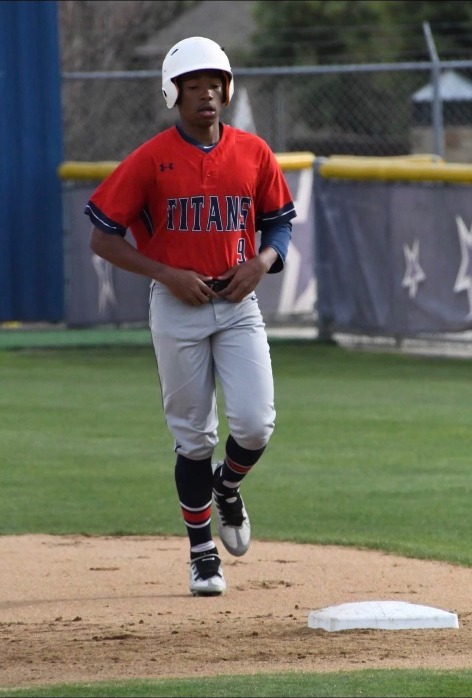
This campaign stands with a young man convicted of murder and sentenced to 35 years whose defense maintains that he acted in self-defense.
The defense account says Karmelo Sincere Anthony — 17 years old at the time of the incident — was sitting at a public track meet when other athletes approached him and physical contact followed.
His defense maintains that he did not initiate the physical confrontation.
His defense maintains that he acted in self-defense. He then walked to the nearest officer before questioning and gave an immediate statement.
"I was protecting myself."
The State of Texas charged him with murder, initially set bond at one million dollars, and a jury later convicted him and imposed a 35-year sentence.
Supporters argue that he was made the villain in a confrontation his defense says he did not initiate.
The Scene
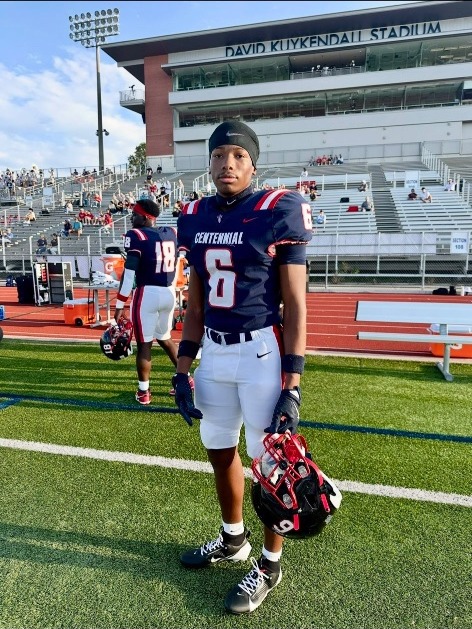
April 2, 2025. Kuykendall Stadium, Frisco, Texas. A UIL District Championship track meet. Rain. Karmelo Anthony — 17 years old, a student-athlete, someone's child — was sitting near his team's tent when two athletes approached him.
The defense emphasized a size and numbers disparity, describing Karmelo at approximately 140 pounds. The trial record contains conflicting witness accounts, which the post-trial motions and appeal now place under review.
The defense argued that Karmelo did not initiate the physical confrontation and that his response was justified under Texas Penal Code § 9.32. The jury rejected that defense and convicted him of murder.
The Law
Texas wrote its self-defense statutes for exactly this kind of moment. The elements are clear:
The defense argued that he had a right to be there at a public school event, was not engaged in criminal activity, did not provoke the confrontation, and was subjected to physical contact before he responded.
The defense invoked disparity-of-force principles, arguing that size, number, and position shaped what Karmelo reasonably perceived. The jury rejected the self-defense claim; the defense continues to challenge the verdict through post-trial motions and appeal.
What He Did Immediately After
He did not run or hide. He walked to an officer before questioning, gave an immediate statement, and asked whether the other person was going to be okay.
His defense cites that immediate conduct as consistent with his account.
That immediate conduct is part of the record the defense continues to rely on.
What Was Done to Him After
The State set a one-million-dollar bond for a teenager with no prior record. His family received death threats. His younger sister was afraid to sleep in her own room. His mother had to hold a press conference under police escort while being disrupted. The full machinery of public outrage was aimed at Karmelo and his family.
That is not justice. That is what happens when a Black teenager chooses to survive.
What We Believe
We believe Karmelo Anthony acted in lawful self-defense under the laws of the State of Texas.
We believe he is a child who had the right to defend himself.
We believe this trial is a test of whether that right means the same thing for a Black 17-year-old as it does for anyone else.
We believe the answer matters. The verdict is in — and the fight moves to the appeal. We do not stop until he is free.